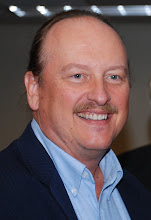
Kentucky’s Jim Bunning will be 79 when he is up for re-election in 2010. Will he retire? Earlier this week, he said that he would run for re-election. He has also stated a fundraising goal of $10 million for this next cycle. That is significantly more than the $6.5 million he raised when he barely defeated Dan Mongiardo in 2004. Mongiardo, elected Lt. Governor in 2007, spent $2.9 million against Bunning that year. On September 30, Bunning reported having just $175K on hand. When will we know if he will retire? In the last cycle, the earliest retirement announcement came in January 2007 (Allard), although the bulk of such announcements came in the September-October timeframe.
Until this year, Kentucky had voted for the winning Presidential candidate every year since 1964. It supported Carter once and Clinton twice. This year, it went for McCain. Senate majority leader Mitch McConnell was re-elected this year by a 53% to 47% margin. He out spent his Democratic opponent, Bruce Lunsford, by a substantial margin, $21.0 million to $10.7 million. Four of the six members of the US House representing Kentucky are Republicans, as are both US Senators. However, in 2007, Kentucky elected Democrat Steve Beshear as Governor, giving him 59% of the vote. Along with Beshear, the state elected Democrats to five of seven positions in the State Government.
So, the state is a mixed bag with respect to Political Party. It is likely that a strong and well-financed candidate may fare well against Bunning. Lt. Governor Dan Mongiardo is considering a run in 2010: he narrowly lost to Bunning in 2004. He was elected in 2000 to serve in the State Senate before his US Senate campaign in 2004. He followed that with last year’s successful run as Lt. Governor tied to Beshear. Should Mongiardo opt to run for the Senate, he will start in the hole: his latest FEC disclosure reveals $600k in debt.
There is also significant discussion about 6th District Congressman Ben Chandler entering the race. He served as Kentucky’s State Auditor for four years and then as Attorney General for eight before running for Governor in 2003. He lost to Republican Ernie Fletcher in the General Election, but ran for and won a special election for Fletcher’s former seat in the US House. Chandler ran successfully for re-election in 2004, 2006 and 2008. In 2006, he had no Republican opponent. In 2008, he gathered 65% of the vote against an opponent who filed no campaign disclosures. This allowed Chandler to have over $1 million on hand as of November 24.
It is logical to think that Bruce Lunsford might be considering another run. He has not had success in three previous campaigns: he dropped out of the Primary for Governor in 2003, lost in the Gubernatorial Primary in 2007, and lost in a bid for the US Senate this year. That race for Senate against McConnell, however, gained considerable attention nationally. He wound up losing by 6%, but forced McConnell to spend his entire $20 million war chest on the race, thereby leaving him unable to assist other Republican Senate candidates. Will Lunsford run a fourth time? This is unclear, although he does not seem to be getting as much support as other potential candidates.
State Auditor Crit Luallen was given consideration as a candidate to face McConnell this year, but opted not to run. She has a long history of work in State Government, and has been elected twice as State Auditor, in 2003 and again in 2007.
Former Customs Agent Darleen Price has announced her candidacy. She served in the US Army Military Police Corps and has published a book on her experience in the Dept of Homeland Security entitled “BorderGate”. It details her battle against corruption in that agency.
Attorney General Jack Conway may have higher aspirations, but it is probably too early for him to consider this race unless the several other candidates mentioned above opt out. He did win his post in 2007 with 60% of the vote. He ran against former Rep. Ann Northrup in 2002, and helped Yarmuth defeat her in 2006.
Whether or not Bunning retires, this is likely to be a competitive race in 2010. An informal poll on DailyKos shows most support going for Mongiardo, Chandler, and Luallen. Any of these would give Bunning a challenge should he run, and perhaps be the favorite should he bow out.
Showing posts with label 2010 US Senate Elections. Show all posts
Showing posts with label 2010 US Senate Elections. Show all posts
Wednesday, December 17, 2008


Tuesday, December 16, 2008
More on the 2010 US Senate Elections: Is Grassley’s Seat in Iowa Vulnerable?
Chuck Grassley has served in the United States Senate for nearly 30 years. When he entered the body in 1981, he had served for 15 years in Iowa’s State House and another six years in the US House of Representatives. When he comes up for re-election in 2010, he will have served in elective office for more than a half century. In each of his last four Senate elections, he won with more than 65% of the vote. However, he will be 77 years of age when he would next need to seek re-election.
If Grassley does seek re-election, is he vulnerable? Iowa has become more and more Democratic recently. It has voted for Democratic nominees for President five of the last six elections. The top five positions in the State Government are held by Democrats. In 1998, Tom Vilsack became the first Democratic Governor in 30 years. When Chet Culver was elected to succeed him in 2006, it was the first time in 70 years that the State had elected Democratic Governors back-to-back. The State Legislature is firmly under Democratic control. Three of Iowa’s members of the US House of Representatives are Democrats. However, when Grassley last ran, his opponent raised just $136,000 for the race. I guess a pertinent question is: when has a well-financed campaign been run against him?
What Democrats may choose to challenge Grassley, or run for the open seat should he retire? Former Governor Tom Vilsack’s name seems to be highest on everyone’s list. He began his political career in 1987 when he was elected Mayor of Mt. Pleasant. He moved on to the State Senate in 1992 before mounting his successful campaign for Governor in 1998. He was re-elected in 2002. In 2005, he began a two-year term as President of the Democratic Leadership Council, a highly influential organization within the Party. He briefly ran for President in late 2006 and early 2007, and was given consideration as a Vice Presidential candidate in each of the last two elections. Vilsack would appear to be the favorite should Grassley retire. There is discussion that a Vilsack candidacy would be the first serious challenge launched at Grassley in many years, one that might even provoke the Senator to decide to retire. In any case, the nomination would seem to belong to Vilsack should he want it.
Should Vilsack not run, who else might seek the seat? Lt. Governor Patty Judge would likely to be interested. Judge served two terms in the State Senate and two as Iowa’s Secretary of Agriculture before mounting a run for Governor in 2006. She ultimately bowed out in favor of Chet Culver, and became the candidate for Lt. Governor on the ticket that was ultimately successful. She will be 67 in 2010, which certainly is not an unreasonable age to seek the post.
Rep. Bruce Braley just won his second election to the US Congress. He won in 2006 claiming the seat after Republican Jim Nussle choose to run for Governor rather than for re-election. An attorney, Braley has also served as President of the Iowa Trial Lawyers Association. Although he won the seat in 2006 with 56% of the vote and raised $2.5 million in the process, he went on to raise just $1.1 million in winning re-election this year. He did win handily, with 64% of the vote, but the “average” level of fundraising does not, perhaps, represent the effort of someone with higher ambition.
Although I have heard no rumors to the effect, one cannot overlook the possibility that Iowa Speaker of the House Pat Murphy might have the desire to seek higher office. He will be just 51 in 2010, but will have served 20 years in the Legislature at that time. He has been quite involved in recent efforts to win a majority of seats in Iowa’s delegation to the US House as well as in the State Legislature for the Democratic Party. It will be of interest to see what Murphy’s next move might be.
If Grassley chooses to retire, I imagine the Democratic candidate will be favored. In any case, Tom Vilsack seems to be the most likely challenger or favorite, depending on what Grassley chooses to do.
If Grassley does seek re-election, is he vulnerable? Iowa has become more and more Democratic recently. It has voted for Democratic nominees for President five of the last six elections. The top five positions in the State Government are held by Democrats. In 1998, Tom Vilsack became the first Democratic Governor in 30 years. When Chet Culver was elected to succeed him in 2006, it was the first time in 70 years that the State had elected Democratic Governors back-to-back. The State Legislature is firmly under Democratic control. Three of Iowa’s members of the US House of Representatives are Democrats. However, when Grassley last ran, his opponent raised just $136,000 for the race. I guess a pertinent question is: when has a well-financed campaign been run against him?
What Democrats may choose to challenge Grassley, or run for the open seat should he retire? Former Governor Tom Vilsack’s name seems to be highest on everyone’s list. He began his political career in 1987 when he was elected Mayor of Mt. Pleasant. He moved on to the State Senate in 1992 before mounting his successful campaign for Governor in 1998. He was re-elected in 2002. In 2005, he began a two-year term as President of the Democratic Leadership Council, a highly influential organization within the Party. He briefly ran for President in late 2006 and early 2007, and was given consideration as a Vice Presidential candidate in each of the last two elections. Vilsack would appear to be the favorite should Grassley retire. There is discussion that a Vilsack candidacy would be the first serious challenge launched at Grassley in many years, one that might even provoke the Senator to decide to retire. In any case, the nomination would seem to belong to Vilsack should he want it.
Should Vilsack not run, who else might seek the seat? Lt. Governor Patty Judge would likely to be interested. Judge served two terms in the State Senate and two as Iowa’s Secretary of Agriculture before mounting a run for Governor in 2006. She ultimately bowed out in favor of Chet Culver, and became the candidate for Lt. Governor on the ticket that was ultimately successful. She will be 67 in 2010, which certainly is not an unreasonable age to seek the post.
Rep. Bruce Braley just won his second election to the US Congress. He won in 2006 claiming the seat after Republican Jim Nussle choose to run for Governor rather than for re-election. An attorney, Braley has also served as President of the Iowa Trial Lawyers Association. Although he won the seat in 2006 with 56% of the vote and raised $2.5 million in the process, he went on to raise just $1.1 million in winning re-election this year. He did win handily, with 64% of the vote, but the “average” level of fundraising does not, perhaps, represent the effort of someone with higher ambition.
Although I have heard no rumors to the effect, one cannot overlook the possibility that Iowa Speaker of the House Pat Murphy might have the desire to seek higher office. He will be just 51 in 2010, but will have served 20 years in the Legislature at that time. He has been quite involved in recent efforts to win a majority of seats in Iowa’s delegation to the US House as well as in the State Legislature for the Democratic Party. It will be of interest to see what Murphy’s next move might be.
If Grassley chooses to retire, I imagine the Democratic candidate will be favored. In any case, Tom Vilsack seems to be the most likely challenger or favorite, depending on what Grassley chooses to do.
Monday, December 15, 2008
Another Potentially Vulnerable Republican Senate Seat for 2010: Pennsylvania
Today, I continue my examination of Senate seats that will likely have competitive races in 2010. In three previous posts, I examined Republican-held seats in North Carolina, Ohio, Missouri, and New Hampshire, and all the seats held by Democrats that may prove competitive, focusing on North Dakota and Arkansas. Today, I will consider the first of two seats held by multi-term aging Republican Senators in states that have been voting Democratic in national elections in recent years.
Pennsylvania Senator Arlen Specter is serving his fifth term in that body. At the end of the current term, he will have spent 30 years in the position. He is among the last moderate Republicans in the Senate, actually receiving a score of 60% from the Americans for Democratic Action, putting him ideologically closer to his Democratic colleagues than those in his own Party. He will be 80 years old when he would need to run for re-election. In 2004, he faced a formidable Primary challenge from the very conservative Pat Toomey: Specter barely won 51%-49%. Many believe that Toomey will mount another campaign for the 2010 cycle. In any case, the Democratic Party will set its sights on this seat.
Governor Ed Rendell would make the most formidable Democratic candidate. If Specter retires, many believe that Rendell could walk into the post. Even if Specter does seek another term, Rendell may well prove to be the favorite in this state which has voted Democratic in the last five Presidential elections. Rendell has a long history in Pennsylvania politics. He was elected District Attorney of Philadelphia in 1977 and served two terms before opting to pursue the 1986 Democratic nomination for Governor. He lost in the Primary to Robert Casey, Sr., who was elected that November. The following year, Rendell again lost in a Primary, this time for mayor of Philadelphia. However, he was elected to that post in 1991 and re-elected in 1995. He again ran for Governor in 2002, this time winning by a margin of 53%-44%. He was re-elected four years later by a 60%-40% margin. He is term-limited as Governor, so he is likely to set his eyes on his next political goal in the very near future.
Rep. Joe Sestak has been rumored to be interested in the seat, but a recent statement from his office is being interpreted as an indication that he will not run. He served 31 years in the US Navy, achieving the rank of Vice Admiral before his 2005 retirement. Sestak came to Congress by defeating incumbent Curt Weldon in 2006, winning 56% of the vote. He also beat Weldon in fundraising: Sestak raised $3.2 million to Weldon’s $2.7 million. Sestak went on to win re-election in 2008 with 60% of the vote. Again, he was a prodigious fundraiser, accumulating $3.9 million during the campaign. As of November 24, he had $3 million on hand.
Rep. Allyson Schwartz is also likely to be eyeing the position, having run once before for the Senate. In 2000, she ran in the Senate Primary, finishing in second place with 26% of the vote. She began her political career by being elected to four-year terms in the State Senate four consecutive times beginning in 1990. When former Rep. Joe Hoeffel decided to run for the US Senate in 2002 rather than for re-election, Schawrtz ran and won his seat, gathering 56% of the vote. She won by much wider margins in the next two elections. She is also a very successful fundraiser: when she ran for Congress, she raised $4.6 million, which essentially matched the amount raised by Hoeffel in his run for the Senate. Schwartz continued to be well above average in the next two cycles, in spite of holding a “safe” seat: she raised $2.8 million in 2006 and $3.1 million in 2008. As of November 24, she has $2 million on hand.
Another current member of Congress rumored to be interested in the Senate seat in Rep. Patrick Murphy. He first ran for Congress in 2006, shortly after completing a tour of duty with the US Army in the Iraq War. He won that race, barely defeating incumbent Mike Fitzpatrick. During that campaign, he raised $2.4 million. This year, he raised an impressive $4.0 million in his successful bid for re-election. However, he currently has but $200K on hand.
Chris Matthews is well known in his role on “Hardball with Chris Matthews” on MSNBC. However, his political life began more than 30 years ago. He worked on the staffs of four members of Congress, including Maine Senator Ed Muskie. He ran for Congress in 1974, losing by a wide margin in Pennsylvania’s 4th District. During the entire administration of Jimmy Carter, he worked as a speechwriter for the President. He went on to work for six years as a top aide to former Speaker of the House of Representatives Tip O’Neill. Since 1997, he has gained considerable recognition for “Hardball”, winning several awards in journalism. He was quoted on the Colbert Report and saying, “I want to be a Senator”. This was widely construed as meaning that he is considering a run in 2010. It has been reported that he is already forming a campaign staff, although he has denied that.
Although no one has yet officially declared his or her candidacy, I doubt that condition will persist for long. My guess is that everyone is waiting for some clear sign from Gov. Rendell: if he chooses to run, it would be foolish for any Democrat to oppose him. Should he not run, it would seem that Reps. Sestak and Schwartz are poised to seek the nominations. Both have substantial amounts of campaign funds on hand, characteristic of those with higher aspirations. However, Chris Matthews has perhaps the greatest name recognition nationally, and would likely be a formidable fundraiser.
Should he choose to run, Specter would likely face very tough races in both the Primary and, if successful, the General Election. In addition, he has had significant health problems. In 2005, he was diagnosed with an advanced form of Hodgkin’s lymphoma and underwent chemotherapy. The cancer returned in 2008, although in a less severe form, and he underwent another round of chemotherapy. In the face of these health issues, and knowing that such a pool of potentially powerful opponents awaits him in 2010, this would seem to be an appropriate time for Specter to retire.
Pennsylvania Senator Arlen Specter is serving his fifth term in that body. At the end of the current term, he will have spent 30 years in the position. He is among the last moderate Republicans in the Senate, actually receiving a score of 60% from the Americans for Democratic Action, putting him ideologically closer to his Democratic colleagues than those in his own Party. He will be 80 years old when he would need to run for re-election. In 2004, he faced a formidable Primary challenge from the very conservative Pat Toomey: Specter barely won 51%-49%. Many believe that Toomey will mount another campaign for the 2010 cycle. In any case, the Democratic Party will set its sights on this seat.
Governor Ed Rendell would make the most formidable Democratic candidate. If Specter retires, many believe that Rendell could walk into the post. Even if Specter does seek another term, Rendell may well prove to be the favorite in this state which has voted Democratic in the last five Presidential elections. Rendell has a long history in Pennsylvania politics. He was elected District Attorney of Philadelphia in 1977 and served two terms before opting to pursue the 1986 Democratic nomination for Governor. He lost in the Primary to Robert Casey, Sr., who was elected that November. The following year, Rendell again lost in a Primary, this time for mayor of Philadelphia. However, he was elected to that post in 1991 and re-elected in 1995. He again ran for Governor in 2002, this time winning by a margin of 53%-44%. He was re-elected four years later by a 60%-40% margin. He is term-limited as Governor, so he is likely to set his eyes on his next political goal in the very near future.
Rep. Joe Sestak has been rumored to be interested in the seat, but a recent statement from his office is being interpreted as an indication that he will not run. He served 31 years in the US Navy, achieving the rank of Vice Admiral before his 2005 retirement. Sestak came to Congress by defeating incumbent Curt Weldon in 2006, winning 56% of the vote. He also beat Weldon in fundraising: Sestak raised $3.2 million to Weldon’s $2.7 million. Sestak went on to win re-election in 2008 with 60% of the vote. Again, he was a prodigious fundraiser, accumulating $3.9 million during the campaign. As of November 24, he had $3 million on hand.
Rep. Allyson Schwartz is also likely to be eyeing the position, having run once before for the Senate. In 2000, she ran in the Senate Primary, finishing in second place with 26% of the vote. She began her political career by being elected to four-year terms in the State Senate four consecutive times beginning in 1990. When former Rep. Joe Hoeffel decided to run for the US Senate in 2002 rather than for re-election, Schawrtz ran and won his seat, gathering 56% of the vote. She won by much wider margins in the next two elections. She is also a very successful fundraiser: when she ran for Congress, she raised $4.6 million, which essentially matched the amount raised by Hoeffel in his run for the Senate. Schwartz continued to be well above average in the next two cycles, in spite of holding a “safe” seat: she raised $2.8 million in 2006 and $3.1 million in 2008. As of November 24, she has $2 million on hand.
Another current member of Congress rumored to be interested in the Senate seat in Rep. Patrick Murphy. He first ran for Congress in 2006, shortly after completing a tour of duty with the US Army in the Iraq War. He won that race, barely defeating incumbent Mike Fitzpatrick. During that campaign, he raised $2.4 million. This year, he raised an impressive $4.0 million in his successful bid for re-election. However, he currently has but $200K on hand.
Chris Matthews is well known in his role on “Hardball with Chris Matthews” on MSNBC. However, his political life began more than 30 years ago. He worked on the staffs of four members of Congress, including Maine Senator Ed Muskie. He ran for Congress in 1974, losing by a wide margin in Pennsylvania’s 4th District. During the entire administration of Jimmy Carter, he worked as a speechwriter for the President. He went on to work for six years as a top aide to former Speaker of the House of Representatives Tip O’Neill. Since 1997, he has gained considerable recognition for “Hardball”, winning several awards in journalism. He was quoted on the Colbert Report and saying, “I want to be a Senator”. This was widely construed as meaning that he is considering a run in 2010. It has been reported that he is already forming a campaign staff, although he has denied that.
Although no one has yet officially declared his or her candidacy, I doubt that condition will persist for long. My guess is that everyone is waiting for some clear sign from Gov. Rendell: if he chooses to run, it would be foolish for any Democrat to oppose him. Should he not run, it would seem that Reps. Sestak and Schwartz are poised to seek the nominations. Both have substantial amounts of campaign funds on hand, characteristic of those with higher aspirations. However, Chris Matthews has perhaps the greatest name recognition nationally, and would likely be a formidable fundraiser.
Should he choose to run, Specter would likely face very tough races in both the Primary and, if successful, the General Election. In addition, he has had significant health problems. In 2005, he was diagnosed with an advanced form of Hodgkin’s lymphoma and underwent chemotherapy. The cancer returned in 2008, although in a less severe form, and he underwent another round of chemotherapy. In the face of these health issues, and knowing that such a pool of potentially powerful opponents awaits him in 2010, this would seem to be an appropriate time for Specter to retire.
Saturday, December 13, 2008
More Potentially Vulnerable Republican Seats in the 2010 US Senate Elections: New Hampshire and Missouri
Over the past couple of days, I have begun to examine the US Senate races for 2010. On Thursday, I examined potentially vulnerable Republican seats in North Carolina and Ohio. Yesterday, I looked at all the Democratic seats that could be competitive. Today, I continue by exploring two more Republican seats that may be vulnerable, New Hampshire and Missouri.
New Hampshire – The New Hampshire landscape has seen a tsunami over the past two elections. This year, Obama outpolled McCain 54%-45%. The election of 2006 saw Democratic challengers upset both incumbents in the US House of Representatives. Both were re-elected this year and both expanded their margins of victory. This year, former Gov. Jeanne Shaheen defeated incumbent John Sununu in the race for a US Senate seat by a 52%-45% vote. Gov. John Lynch was re-elected with the support of more than 70% of the voters. He defeated incumbent Craig Benson in 2004, and was re-elected in 2006. The Governor is the only State Government official elected by a statewide vote. The State Legislature has shifted strongly toward the Democratic Party. Comparing pre-2006 numbers to post-2008 numbers, the State Senate went from 33% to 58% Democratic, and 38% to 56% in the State House. Women hold the top positions in both houses of the legislature.
This would seem to make conservative Senator Judd Gregg vulnerable as he seeks his fourth term. Nonetheless, Gregg is popular in the state, having won his last two elections with 68% and 66% of the vote. Gov. Lynch would seem to make the strongest candidate. Others being discussed as candidates are Congressman Paul Hodes and Portsmouth mayor Steve Marchand. Hodes has run three times for Congress, losing in 2004 before running successful campaigns in 2006 and 2008. Marchand ran briefly for the Senate nomination during this past cycle before bowing out in favor of eventual winner Shaheen. It would seem that Lynch might well be the favorite should he decide to run. Other candidates would have an uphill battle, but may well prevail given the current political climate in the state.
Missouri – The 2008 Presidential contest in Missouri was the closest in the country: it was the last state “called” when John McCain was declared winner. It was the first time in a half century that the “Show Me State” had not voted for the eventual victor. Possession of the Governor’s mansion returned to the Democratic Party when Jay Nixon won by a margin of 58%-40%. This substantial margin did not, however, carry over to the race for Lt. Governor, where the Republican candidate won by a slim margin. Democrats won all other statewide offices in the State Government. The GOP holds majorities in both Houses of the State Legislature. At the federal level, the state is almost evenly split between the Parties. In 2006, Democrat Claire McCaskill defeated then-incumbent Jim Talent in US Senate race. The State’s contingent in the US House has five Republican and 4 Democrats.
So, is incumbent US Senator Kit Bond vulnerable? Bond served one term as Governor before winning the first of four Senate elections in 1986. However, every election has been close: his average vote has been just 53%, and he garnered only 57% as a three-term incumbent in the election of 2004, a “Republican year”. His approval ratings barely exceed 50% (SurveyUSA). So, Bond might be vulnerable to a strong challenger: do any such candidates exist in the Democratic Party? The answer to this is certainly a resounding “yes”. Secretary of State Robin Carnahan just received the most votes in Missouri history in winning 62% of the electorate in her re-election bid this year. She won the office in 2004 in her first campaign for public office. She comes from a prominent political family. Her grandfather Albert served seven terms in Congress. Her father Mel held several posts including Governor, and won the 2000 Senate election posthumously: her mother Jean was appointed to fill the post but was defeated in the subsequent special election. Finally, her brother was just elected to serve a third term in the US House of Representatives. Another prominent Democrat mentioned as a potential candidate is 14-term Congressman Dick Gephardt, who rose to the post House Majority Leader during his tenure in the body. Public Policy Polling recently found than Gephardt and both Robin and Russ Carnahan polled within a few points of Bond. If any of these Democrats run, it will be a highly competitive race.
In both New Hampshire and Missouri, multi-term incumbent Republicans may be vulnerable to strong challengers, and such challengers are available should they decide to run.
New Hampshire – The New Hampshire landscape has seen a tsunami over the past two elections. This year, Obama outpolled McCain 54%-45%. The election of 2006 saw Democratic challengers upset both incumbents in the US House of Representatives. Both were re-elected this year and both expanded their margins of victory. This year, former Gov. Jeanne Shaheen defeated incumbent John Sununu in the race for a US Senate seat by a 52%-45% vote. Gov. John Lynch was re-elected with the support of more than 70% of the voters. He defeated incumbent Craig Benson in 2004, and was re-elected in 2006. The Governor is the only State Government official elected by a statewide vote. The State Legislature has shifted strongly toward the Democratic Party. Comparing pre-2006 numbers to post-2008 numbers, the State Senate went from 33% to 58% Democratic, and 38% to 56% in the State House. Women hold the top positions in both houses of the legislature.
This would seem to make conservative Senator Judd Gregg vulnerable as he seeks his fourth term. Nonetheless, Gregg is popular in the state, having won his last two elections with 68% and 66% of the vote. Gov. Lynch would seem to make the strongest candidate. Others being discussed as candidates are Congressman Paul Hodes and Portsmouth mayor Steve Marchand. Hodes has run three times for Congress, losing in 2004 before running successful campaigns in 2006 and 2008. Marchand ran briefly for the Senate nomination during this past cycle before bowing out in favor of eventual winner Shaheen. It would seem that Lynch might well be the favorite should he decide to run. Other candidates would have an uphill battle, but may well prevail given the current political climate in the state.
Missouri – The 2008 Presidential contest in Missouri was the closest in the country: it was the last state “called” when John McCain was declared winner. It was the first time in a half century that the “Show Me State” had not voted for the eventual victor. Possession of the Governor’s mansion returned to the Democratic Party when Jay Nixon won by a margin of 58%-40%. This substantial margin did not, however, carry over to the race for Lt. Governor, where the Republican candidate won by a slim margin. Democrats won all other statewide offices in the State Government. The GOP holds majorities in both Houses of the State Legislature. At the federal level, the state is almost evenly split between the Parties. In 2006, Democrat Claire McCaskill defeated then-incumbent Jim Talent in US Senate race. The State’s contingent in the US House has five Republican and 4 Democrats.
So, is incumbent US Senator Kit Bond vulnerable? Bond served one term as Governor before winning the first of four Senate elections in 1986. However, every election has been close: his average vote has been just 53%, and he garnered only 57% as a three-term incumbent in the election of 2004, a “Republican year”. His approval ratings barely exceed 50% (SurveyUSA). So, Bond might be vulnerable to a strong challenger: do any such candidates exist in the Democratic Party? The answer to this is certainly a resounding “yes”. Secretary of State Robin Carnahan just received the most votes in Missouri history in winning 62% of the electorate in her re-election bid this year. She won the office in 2004 in her first campaign for public office. She comes from a prominent political family. Her grandfather Albert served seven terms in Congress. Her father Mel held several posts including Governor, and won the 2000 Senate election posthumously: her mother Jean was appointed to fill the post but was defeated in the subsequent special election. Finally, her brother was just elected to serve a third term in the US House of Representatives. Another prominent Democrat mentioned as a potential candidate is 14-term Congressman Dick Gephardt, who rose to the post House Majority Leader during his tenure in the body. Public Policy Polling recently found than Gephardt and both Robin and Russ Carnahan polled within a few points of Bond. If any of these Democrats run, it will be a highly competitive race.
In both New Hampshire and Missouri, multi-term incumbent Republicans may be vulnerable to strong challengers, and such challengers are available should they decide to run.
Friday, December 12, 2008
The Senate Elections in 2010: Potentially Vulnerable Democrats
Yesterday, I began to look at the 2010 US Senate elections by examining two states (North Carolina and Ohio) where incumbent Republicans seem quite vulnerable. Today, I want to take a look at the Democratic incumbents who may be vulnerable, and discuss the scenarios that might lead to their re-election campaigns becoming competitive. As you all know, I really like to have objective numbers on which to base my analyses. This is often difficult. However, today I want to begin with hard and fast numbers and go from there.
There are 16 Democratic seats in the Senate up for election in 2010. Let’s start by looking at the Democratic Presidential vote in 2004 and 2008 in each of these states. Incumbent or not, those Democratic Senators sitting in states that tend to vote Republican in Presidential elections might be vulnerable against a strong candidate. I’ll begin by looking at three incumbent Democrats whose states gave Democratic Presidential candidates an average of less than 50% in the past two elections.
The Republican Party dominates North Dakota state politics. Of the 12 statewide offices in the State Government, members of the GOP hold 11. (The exception is the Agriculture Commissioner.) Republicans control both Houses of the State Legislature. This year, Governor John Hoeven was re-elected with 74% of the vote. The last time the state’s electoral votes went to a Democrat was 1964. On average, the state has given Democratic Presidential candidates only 41% of the vote in the past two elections. However, both US Senators and the state’s single member of the US House are all Democrats. This year, Congressman Earl Pomeroy received nearly 60% of the vote. Sen. Byron Dorgan, who will seek his fourth term in the senate in 2010. He has won his three previous elections with every increasing percentages of the vote (1992: 59%, 1998: 63%, 2004: 68%). His fellow Democratic Senator, Kent Conrad, has won four Senate elections, receiving 69% of the vote in 2006. So, is Dorgan vulnerable? It would appear that he is only if Hoeven runs against him. Should the Governor covet a Senate seat, some think he might choose to complete his term and then run in 2012 against Conrad.
Blanche Lincoln will be seeking her third term as Senator from Arkansas, a state that gave Democratic candidates only 42% of the vote in the last two elections. Arkansas is an enigmatic state with respect to the Parties. While voting for Republican candidates in each of the last three Presidential elections, every statewide officeholder in the State Government, both US Senators, and three of four members of the US House of Representatives from the state are Democrats. In addition, both House of the State Legislature have Democratic majorities. Sen. Lincoln, after serving two terms in the US House, has won two Senate elections with 55% and 56% of the vote. This year, when fellow Sen. Mark Pryor ran for re-election, the Republican Party didn’t even field a candidate to oppose him. None of this information suggests that Sen. Lincoln is vulnerable. The only thing mentioned that would seem to make her seem vulnerable is if former Gov. Mike Huckabee would run. There is every indication that Huckabee is setting himself up for another run at the White House, but a 2010 Senate candidacy can’t be ruled out.
Indiana is the third state to have given Democratic Presidential candidates less that 50%, on average, in the last two elections. Is Senator Evan Bayh, who will seek his third term in 2010, vulnerable? Bayh, son of former Sen. Birch Bayh, has a long career in public service. He served as Secretary of State for one term, Governor for two terms, and is serving his second term in the US Senate. In each of his last three statewide campaigns, he received more than 60% of the vote. The state is another interesting mixture of Democratic and Republican representation. Members of the GOP hold all statewide offices in the State Government. Gov. Mitch Daniels was just re-elected with 58% of the vote. Indiana’s other US Senator, Dick Lugar, is a Republican. Going into this year’s election, the state had not voted for a Democratic Presidential candidate since 1964. However, this year, the state’s electoral votes went to Obama. The Democratic Party holds a 5-4 majority among the state’s member of the US House, having picked up three seats in the 2006 election. So, is Bayh vulnerable? It would appear not. Perhaps the only one who might make a competitive run is Gov. Daniels, who has recently said in no uncertain terms that he will not run for the Senate in 2010.
Are any other Democratic seats in danger? Some say that Colorado’s Ken Salazar is vulnerable. Recent surveys by Public Policy Polling pitted him against four likely rivals. They showed Salazar with sizable leads over all four, with only former Governor Bill Owens coming close. In addition, Colorado has been trending Democratic over the last few cycles.
In California, Gov. Arnold Schwarzenegger could be competitive against Sen. Barbara Boxer, should he decide to run.
In Delaware, Ted Kaufman was appointed as a “caretaker” Senator to replace Vice-President-elect Joe Biden, meaning that he would not run for election. This seat is widely viewed as likely to be won by Biden’s son, Attorney General Beau Biden. Some think, however, that Delaware’s sole member of Congress, Mike Castle, might run a competitive campaign for the post should he run.
Finally, if Hawaii’s Sen. Daniel Inouye should retire, Republican Gov. Linda Lingle, who is term limited, might seek the post and run a competitive campaign.
What is the bottom line? The only real danger that the Democratic Party faces in defending its Senate seats in the 2010 election is the candidacy of Governors and ex-Governors in North Dakota, Arkansas, Colorado, California and Hawaii, and perhaps a Congressman in Delaware. Perhaps the greatest threat is in North Dakota should Gov. Hoeven run against Sen. Dorgan, and in Hawaii should Sen. Inoye retire and draw Gov. Lingle into the race. I don’t think either of these is likely. Therefore, at this early date, I don’t see any evidence to suggest that any of the races for current Democratic Senate seats will be competitive.
There are 16 Democratic seats in the Senate up for election in 2010. Let’s start by looking at the Democratic Presidential vote in 2004 and 2008 in each of these states. Incumbent or not, those Democratic Senators sitting in states that tend to vote Republican in Presidential elections might be vulnerable against a strong candidate. I’ll begin by looking at three incumbent Democrats whose states gave Democratic Presidential candidates an average of less than 50% in the past two elections.
The Republican Party dominates North Dakota state politics. Of the 12 statewide offices in the State Government, members of the GOP hold 11. (The exception is the Agriculture Commissioner.) Republicans control both Houses of the State Legislature. This year, Governor John Hoeven was re-elected with 74% of the vote. The last time the state’s electoral votes went to a Democrat was 1964. On average, the state has given Democratic Presidential candidates only 41% of the vote in the past two elections. However, both US Senators and the state’s single member of the US House are all Democrats. This year, Congressman Earl Pomeroy received nearly 60% of the vote. Sen. Byron Dorgan, who will seek his fourth term in the senate in 2010. He has won his three previous elections with every increasing percentages of the vote (1992: 59%, 1998: 63%, 2004: 68%). His fellow Democratic Senator, Kent Conrad, has won four Senate elections, receiving 69% of the vote in 2006. So, is Dorgan vulnerable? It would appear that he is only if Hoeven runs against him. Should the Governor covet a Senate seat, some think he might choose to complete his term and then run in 2012 against Conrad.
Blanche Lincoln will be seeking her third term as Senator from Arkansas, a state that gave Democratic candidates only 42% of the vote in the last two elections. Arkansas is an enigmatic state with respect to the Parties. While voting for Republican candidates in each of the last three Presidential elections, every statewide officeholder in the State Government, both US Senators, and three of four members of the US House of Representatives from the state are Democrats. In addition, both House of the State Legislature have Democratic majorities. Sen. Lincoln, after serving two terms in the US House, has won two Senate elections with 55% and 56% of the vote. This year, when fellow Sen. Mark Pryor ran for re-election, the Republican Party didn’t even field a candidate to oppose him. None of this information suggests that Sen. Lincoln is vulnerable. The only thing mentioned that would seem to make her seem vulnerable is if former Gov. Mike Huckabee would run. There is every indication that Huckabee is setting himself up for another run at the White House, but a 2010 Senate candidacy can’t be ruled out.
Indiana is the third state to have given Democratic Presidential candidates less that 50%, on average, in the last two elections. Is Senator Evan Bayh, who will seek his third term in 2010, vulnerable? Bayh, son of former Sen. Birch Bayh, has a long career in public service. He served as Secretary of State for one term, Governor for two terms, and is serving his second term in the US Senate. In each of his last three statewide campaigns, he received more than 60% of the vote. The state is another interesting mixture of Democratic and Republican representation. Members of the GOP hold all statewide offices in the State Government. Gov. Mitch Daniels was just re-elected with 58% of the vote. Indiana’s other US Senator, Dick Lugar, is a Republican. Going into this year’s election, the state had not voted for a Democratic Presidential candidate since 1964. However, this year, the state’s electoral votes went to Obama. The Democratic Party holds a 5-4 majority among the state’s member of the US House, having picked up three seats in the 2006 election. So, is Bayh vulnerable? It would appear not. Perhaps the only one who might make a competitive run is Gov. Daniels, who has recently said in no uncertain terms that he will not run for the Senate in 2010.
Are any other Democratic seats in danger? Some say that Colorado’s Ken Salazar is vulnerable. Recent surveys by Public Policy Polling pitted him against four likely rivals. They showed Salazar with sizable leads over all four, with only former Governor Bill Owens coming close. In addition, Colorado has been trending Democratic over the last few cycles.
In California, Gov. Arnold Schwarzenegger could be competitive against Sen. Barbara Boxer, should he decide to run.
In Delaware, Ted Kaufman was appointed as a “caretaker” Senator to replace Vice-President-elect Joe Biden, meaning that he would not run for election. This seat is widely viewed as likely to be won by Biden’s son, Attorney General Beau Biden. Some think, however, that Delaware’s sole member of Congress, Mike Castle, might run a competitive campaign for the post should he run.
Finally, if Hawaii’s Sen. Daniel Inouye should retire, Republican Gov. Linda Lingle, who is term limited, might seek the post and run a competitive campaign.
What is the bottom line? The only real danger that the Democratic Party faces in defending its Senate seats in the 2010 election is the candidacy of Governors and ex-Governors in North Dakota, Arkansas, Colorado, California and Hawaii, and perhaps a Congressman in Delaware. Perhaps the greatest threat is in North Dakota should Gov. Hoeven run against Sen. Dorgan, and in Hawaii should Sen. Inoye retire and draw Gov. Lingle into the race. I don’t think either of these is likely. Therefore, at this early date, I don’t see any evidence to suggest that any of the races for current Democratic Senate seats will be competitive.
Thursday, December 11, 2008
A First Look at the Senate Elections of 2010: North Carolina and Ohio
2008 marked the second consecutive election in which Democrats gained six or more seats in the US Senate. With one seat (Minnesota) yet undecided, Democrats have at least 58 seats, including the two independents who caucus with them. It is quite unusual to post such gains in successive years. Can it happen again? Perhaps this would seem unlikely, but it is hard not to be quite optimistic about the 2010 Senate elections. Optimistic, that is, if you are a Democrat.
Again in 2010, as was the case this year, there are few incumbent Democrats who seem vulnerable. There are some possible scenarios, of course, but by and large, 2010 is likely to be another year when Democrats may again gain seats. In the near future, I’ll examine those Democratic seats that may prove competitive, but today I want to begin to examine those GOP seats that may switch Parties in two years. While I’m not yet ready to put them in ranked order, I’ll begin today with two seats that seem to offer the greatest likelihood of falling to Democratic challengers. I’ll provide details of others in the coming weeks before finally providing my first rankings early next year.
North Carolina – Consider what has happened in North Carolina in recent years. The Governor has been a Democrat for the last 16 years, and will be for at least four more years with the election of Beverley Perdue last month. Her election means that there have now been three Democratic Governors in a row. The Democratic vote in the last three Presidential races has improved steadily (2000: 43%; 2004: 44%, 2008: 50%), and culminated with Barack Obama winning the state this year: it was the first time in 30 years that the state’s electoral votes went for a Democrat. They also hold 8 of 13 seats in the US House of Representatives. Democrat Kay Hagan just defeated incumbent Senator Elizabeth Dole by 9%. Democrats hold 8 of 10 statewide positions, including Governor, Lt. Governor, Attorney General, and Secretary of State. And finally, they won outright majorities in both houses of the State Legislature for the third election in a row.
So, the table seems to be set for the defeat of Republican Richard Burr, the very conservative (0% rating from Americans for Democratic Action) one-term incumbent. With the state so full of Democratic incumbents, who will challenge Burr? Many names can be found in the rumor mills. Let’s have a look at three that would be powerful candidates should they choose to run. At the top of the list has to be Governor Mike Easley. He is completing his second four-year term: he could not run for re-election due to the state’s statutory term limits. This followed two terms as Attorney General. In 2004, he won with 56% of the vote while John Kerry received just 44%.
Another candidate, one for whom a “Draft Coop” website has already been started, is Attorney General Roy Cooper. He just won election to his third term in the office with 61% of the vote, the highest total for any statewide office this year. Prior to his 2000 election as Attorney General, he served four years in the State House and ten years in the State Senate. A recent poll by Public Policy Polling (PPP) shows him with a 39%-34% lead over Burr.
The third strong potential candidate is Secretary of State Elaine Marshall. She just won her fourth consecutive term for the post. In both 2000 and 2004, she outpolled both Easley and Cooper. Prior to being elected Secretary of State, she served in the State Senate.
Barring a remarkable reversal in the mood of the country and the state, I think any of these can handily beat Burr, and claim this seat for the Democratic Party.
Ohio – This is a state that has seen a major shift toward the Democratic Party in just the last few years. In 2004, when Ohio was the focal point of the Presidential election, all six statewide officeholders were Republicans. However, in the aftermath of the 2004 election, and due to a major scandal surrounding then-Governor Taft, the state elected Democrats to the five top positions (Governor, Lt. Governor, Attorney General, Secretary of State and Treasurer) in 2006. In the three latest Presidential elections, the Democratic vote stepped up slowly (2000: 48%, 2004: 49%, 2008: 51%). Sherrod Brown won the open US Senate with 56% of the vote. Mike DeWine, who had received 60% of the vote in 2000, had vacated the seat rather than face what would undoubtedly have been a tough re-election battle. In the US House of Representatives, Democrats picked up one seat in 2006, and three this year, reversing a 11-7 minority into a 11-7 majority. Currently, Democrats control the State House of Representatives, while the Republican Party holds a majority of seats in the State Senate.
In 2004, George Voinovich won re-election to the US Senate with 64% of the vote, having first been elected in 1996 with 56% to claim the seat held by the retiring John Glenn. Although he currently has a 51%-39% approval-disapproval rating (SurveyUSA, October 2008), three different Democratic candidates polled at least even with him in recent PPP polls. Let’s take a look at these three candidates in the order of their popularity as indicated by these polls. Secretary of State Jennifer Brunner (leading Voinovich 42%-38% in the PPP poll) was elected to the post in 2006 by a 55%-40% margin. She had previously been elected twice to serve as a County Judge. Prior to her elected service, she had worked as Legal Counsel in the Secretary of State’s office, and in private law practice.
Lt. Governor Lee Fisher, who also led Voinovich in the recent PPP poll, by a 40%-38% margin, has a long career of public service in Ohio. He was elected to one term in the State House of Representatives before moving on to the State Senate where he served for eight years. In 1990, he was elected State Attorney General. However, he lost in his bid for re-election in 1994. In 1998, he lost the race for Governor. In 2006, he appeared once again on a statewide ticket, running successfully as Lt. Governor on the ticket with Governor Ted Strickland.
The third potential candidate, who tied Voinovich at 33% each in the recent PPP poll, is Congressman Tim Ryan. He just won his fourth consecutive election to serve Ohio’s 17th district, receiving a whopping 78% of the vote. He served one term in the Ohio State Senate prior to seeking the Congressional seat. When he took office in 2003, he was, at 29 years of age, the youngest Democratic member of the body. His interest in the Senate position is, perhaps, confirmed by a speaking engagement at a County Party event on the other side of the state from his district.
There are other potential candidates who poll very close to Voinovich. In any case, recent Democratic success in the state and the recent PPP polls certainly suggest that this is a seat that can represent a gain for Democrats in 2010.
Again in 2010, as was the case this year, there are few incumbent Democrats who seem vulnerable. There are some possible scenarios, of course, but by and large, 2010 is likely to be another year when Democrats may again gain seats. In the near future, I’ll examine those Democratic seats that may prove competitive, but today I want to begin to examine those GOP seats that may switch Parties in two years. While I’m not yet ready to put them in ranked order, I’ll begin today with two seats that seem to offer the greatest likelihood of falling to Democratic challengers. I’ll provide details of others in the coming weeks before finally providing my first rankings early next year.
North Carolina – Consider what has happened in North Carolina in recent years. The Governor has been a Democrat for the last 16 years, and will be for at least four more years with the election of Beverley Perdue last month. Her election means that there have now been three Democratic Governors in a row. The Democratic vote in the last three Presidential races has improved steadily (2000: 43%; 2004: 44%, 2008: 50%), and culminated with Barack Obama winning the state this year: it was the first time in 30 years that the state’s electoral votes went for a Democrat. They also hold 8 of 13 seats in the US House of Representatives. Democrat Kay Hagan just defeated incumbent Senator Elizabeth Dole by 9%. Democrats hold 8 of 10 statewide positions, including Governor, Lt. Governor, Attorney General, and Secretary of State. And finally, they won outright majorities in both houses of the State Legislature for the third election in a row.
So, the table seems to be set for the defeat of Republican Richard Burr, the very conservative (0% rating from Americans for Democratic Action) one-term incumbent. With the state so full of Democratic incumbents, who will challenge Burr? Many names can be found in the rumor mills. Let’s have a look at three that would be powerful candidates should they choose to run. At the top of the list has to be Governor Mike Easley. He is completing his second four-year term: he could not run for re-election due to the state’s statutory term limits. This followed two terms as Attorney General. In 2004, he won with 56% of the vote while John Kerry received just 44%.
Another candidate, one for whom a “Draft Coop” website has already been started, is Attorney General Roy Cooper. He just won election to his third term in the office with 61% of the vote, the highest total for any statewide office this year. Prior to his 2000 election as Attorney General, he served four years in the State House and ten years in the State Senate. A recent poll by Public Policy Polling (PPP) shows him with a 39%-34% lead over Burr.
The third strong potential candidate is Secretary of State Elaine Marshall. She just won her fourth consecutive term for the post. In both 2000 and 2004, she outpolled both Easley and Cooper. Prior to being elected Secretary of State, she served in the State Senate.
Barring a remarkable reversal in the mood of the country and the state, I think any of these can handily beat Burr, and claim this seat for the Democratic Party.
Ohio – This is a state that has seen a major shift toward the Democratic Party in just the last few years. In 2004, when Ohio was the focal point of the Presidential election, all six statewide officeholders were Republicans. However, in the aftermath of the 2004 election, and due to a major scandal surrounding then-Governor Taft, the state elected Democrats to the five top positions (Governor, Lt. Governor, Attorney General, Secretary of State and Treasurer) in 2006. In the three latest Presidential elections, the Democratic vote stepped up slowly (2000: 48%, 2004: 49%, 2008: 51%). Sherrod Brown won the open US Senate with 56% of the vote. Mike DeWine, who had received 60% of the vote in 2000, had vacated the seat rather than face what would undoubtedly have been a tough re-election battle. In the US House of Representatives, Democrats picked up one seat in 2006, and three this year, reversing a 11-7 minority into a 11-7 majority. Currently, Democrats control the State House of Representatives, while the Republican Party holds a majority of seats in the State Senate.
In 2004, George Voinovich won re-election to the US Senate with 64% of the vote, having first been elected in 1996 with 56% to claim the seat held by the retiring John Glenn. Although he currently has a 51%-39% approval-disapproval rating (SurveyUSA, October 2008), three different Democratic candidates polled at least even with him in recent PPP polls. Let’s take a look at these three candidates in the order of their popularity as indicated by these polls. Secretary of State Jennifer Brunner (leading Voinovich 42%-38% in the PPP poll) was elected to the post in 2006 by a 55%-40% margin. She had previously been elected twice to serve as a County Judge. Prior to her elected service, she had worked as Legal Counsel in the Secretary of State’s office, and in private law practice.
Lt. Governor Lee Fisher, who also led Voinovich in the recent PPP poll, by a 40%-38% margin, has a long career of public service in Ohio. He was elected to one term in the State House of Representatives before moving on to the State Senate where he served for eight years. In 1990, he was elected State Attorney General. However, he lost in his bid for re-election in 1994. In 1998, he lost the race for Governor. In 2006, he appeared once again on a statewide ticket, running successfully as Lt. Governor on the ticket with Governor Ted Strickland.
The third potential candidate, who tied Voinovich at 33% each in the recent PPP poll, is Congressman Tim Ryan. He just won his fourth consecutive election to serve Ohio’s 17th district, receiving a whopping 78% of the vote. He served one term in the Ohio State Senate prior to seeking the Congressional seat. When he took office in 2003, he was, at 29 years of age, the youngest Democratic member of the body. His interest in the Senate position is, perhaps, confirmed by a speaking engagement at a County Party event on the other side of the state from his district.
There are other potential candidates who poll very close to Voinovich. In any case, recent Democratic success in the state and the recent PPP polls certainly suggest that this is a seat that can represent a gain for Democrats in 2010.
Subscribe to:
Posts (Atom)

 Posts
Posts